♪♫♪♫♪
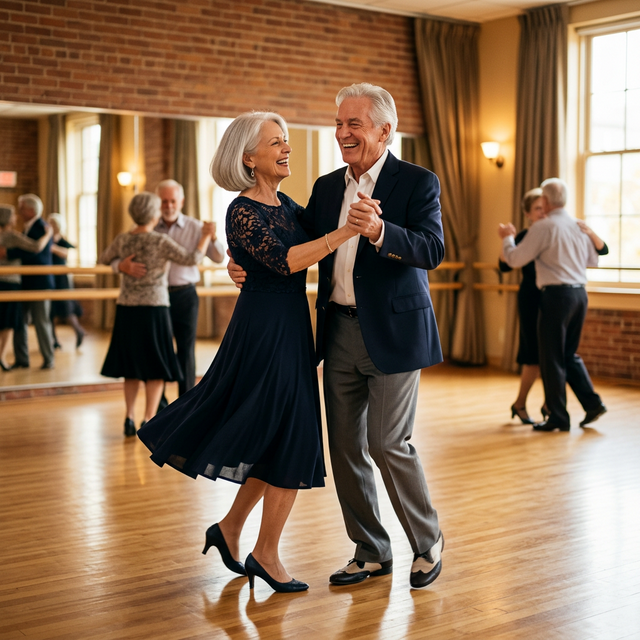
Senior couple enjoying a dance class together in Montreal

Dance Classes for Seniors in Montreal: It's Never Too Late

Your best dance is still ahead of you — regardless of your age.

⚡ Quick Answer

Can seniors learn to dance? Absolutely — and they should. Dance is one of the most effective activities for seniors because it simultaneously improves balance, cognitive function, cardiovascular health, bone density, and social connection. A landmark study in the New England Journal of Medicine found that dance reduced dementia risk by 76% — more than any other physical or cognitive activity studied.

One of my favourite students at Quartier Latin Dance Studio in Montreal started dancing at age 67. She'd never taken a dance class in her life. Today, at 72, she attends group classes twice a week, dances at social events, and recently told me: "I'm in better shape — physically and mentally — than I was at 50."

She's not unusual. After 19 years of teaching in Montreal, I've worked with dozens of students in their 60s, 70s, and even 80s. And I can tell you without hesitation: age is not the barrier most people imagine it to be. The barrier is the belief that you've missed your window. You haven't.

The Health Benefits of Dance for Seniors

The medical case for dance in later life is extraordinary. Here's what the research shows:

Cognitive Protection

The New England Journal of Medicine published a study tracking seniors over 21 years. Among all physical activities studied — swimming, cycling, golf, tennis — only one reduced the risk of dementia: dance. And not by a small margin — dance reduced dementia risk by 76%. The reason? Dance uniquely combines physical movement with rapid-fire decision-making, spatial navigation, partner communication, and musical processing. It's a whole-brain workout disguised as fun.

Balance and Fall Prevention

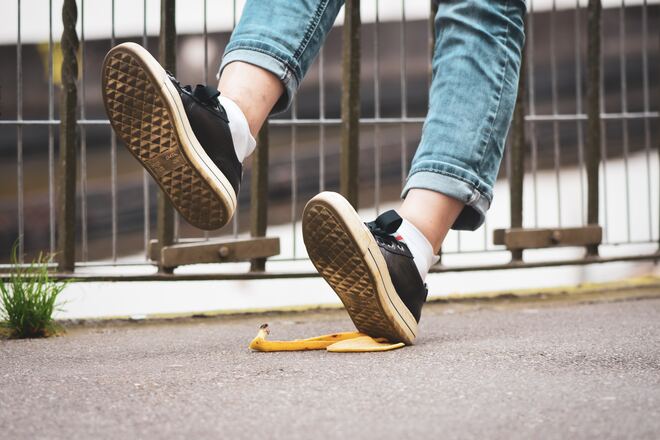
Falls are the leading cause of injury in Canadians over 65. Dance is one of the most effective fall-prevention activities because it trains three systems simultaneously: the vestibular system (inner ear balance), proprioception (body position awareness), and muscular response time. Research published in Age and Ageing found that seniors who danced regularly had 37% fewer falls than those who did conventional exercise.

Bone Density

Osteoporosis affects one in three women and one in five men over 50 in Canada. Dance is a weight-bearing exercise that stimulates bone growth and slows bone loss. The dynamic loading patterns of dance — stepping, turning, shifting weight — are more effective for bone health than walking because they stress bones from multiple angles.

Cardiovascular Health

Moderate-intensity dance elevates heart rate into the cardiovascular training zone, improving heart health, lowering blood pressure, and reducing the risk of heart disease. The beauty of dance as cardio is that the intensity is naturally variable — you can adjust your energy level throughout a class without anyone noticing.

Social Connection

Loneliness and social isolation are as dangerous to seniors' health as smoking 15 cigarettes a day, according to research from the U.S. Surgeon General. Dance class is a built-in social community — you see the same people every week, you have a shared activity to bond over, and the physical contact of partner dancing provides the human connection that many seniors desperately lack.

Addressing Common Concerns

"I have bad knees/hips/back"

Many of our senior students at Quartier Latin dance with joint replacements, arthritis, or chronic pain conditions. The key is choosing the right style and intensity. Smooth, flowing styles like waltz and foxtrot are gentle on joints. Bachata's slow tempo allows careful movement. And private lessons let me modify every movement to accommodate specific physical limitations. Always consult your doctor first, but in my experience, most seniors can dance safely with appropriate modifications.

"I'll be the oldest person in the class"

You might be — and nobody will care. The dance community is one of the most age-inclusive communities I know. In our group classes, students range from their 20s to their 70s, and the partner rotation means everyone dances with everyone. Younger students consistently tell me they love dancing with senior partners because of their patience, musicality, and genuine appreciation for the experience.

"I'm not flexible/fit enough"

Dance builds fitness and flexibility — it doesn't require them as prerequisites. You start where you are, and you improve week by week. The progression is gradual, safe, and adapted to your body. I've watched students who arrived unable to stand on one foot for five seconds develop balance and coordination that astonished their physiotherapists.

Best Dance Styles for Seniors

  • Waltz: Elegant, flowing, gentle on joints. The moderate pace allows careful, controlled movement.
  • Foxtrot: Smooth and social. The walking-based movement feels natural and builds confidence quickly.
  • Bachata: Slow, simple basic step, close partner connection. Excellent for beginners of any age.
  • Rumba: Slow and romantic. Minimal footwork with beautiful expressive potential.
  • Tango: Walking-based with dramatic pauses. Excellent for developing balance and poise.

Getting Started in Montreal

At Quartier Latin Dance Studio, we welcome students of every age. Our classes are taught in English, French, and Russian, and our location in the heart of Montreal is easily accessible by metro. For seniors who prefer a more personalized start, private lessons are ideal — we can move at your pace, focus on your specific goals, and ensure every movement is safe and comfortable for your body.

Your Best Years of Dance Are Ahead

Join us at Quartier Latin — where age is just a number and the music never stops.

Start Dancing Today

— Alina Litvak, Founder of Quartier Latin Dance Studio

Two-time Canadian Champion • 19 Years Teaching Experience