The elegance of waltz: a beginner's journey
Step into the world's most romantic ballroom dance and learn why the waltz has enchanted dancers for centuries.
Quick answer
What is waltz? Waltz is an elegant ballroom dance in 3/4 time, characterized by its flowing "rise and fall" motion and sweeping turns around the dance floor. It's considered the foundation of all ballroom dancing and one of the most romantic dances for weddings.
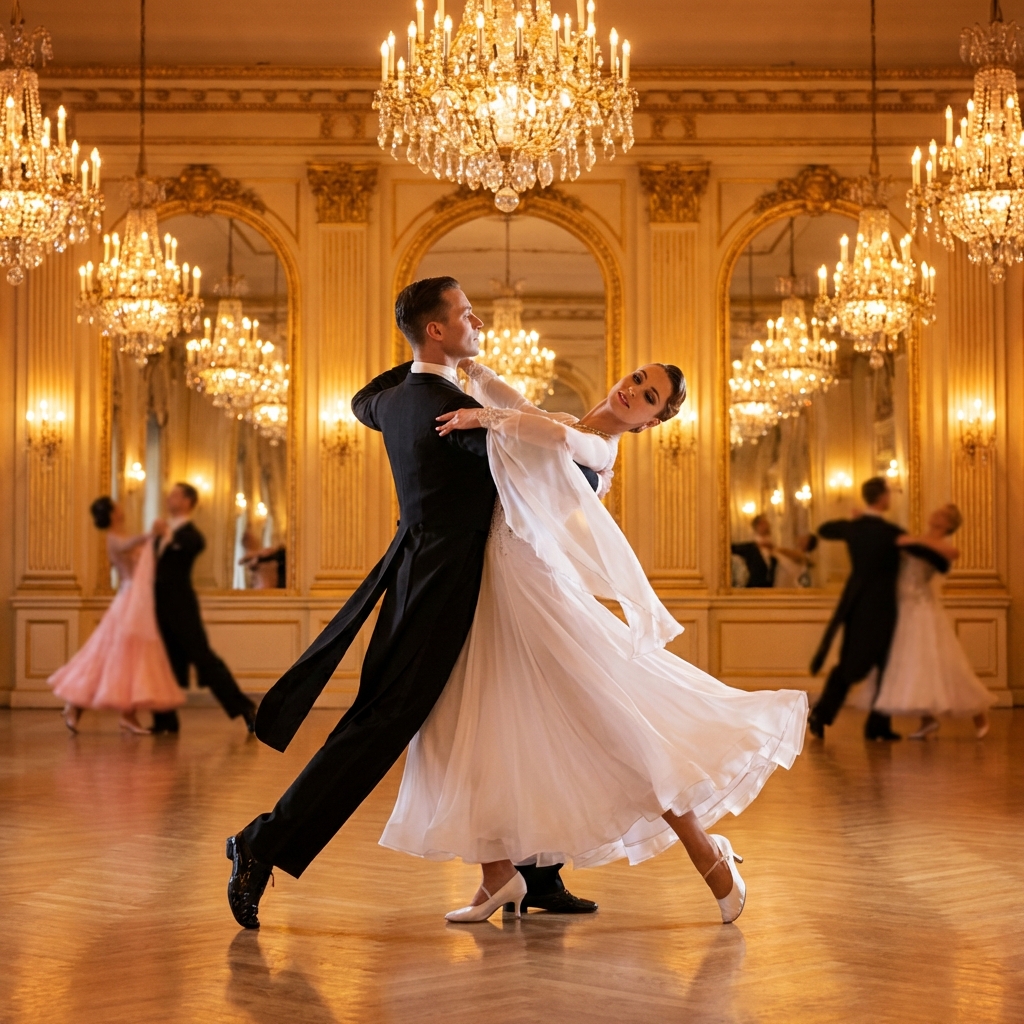
When people imagine ballroom dancing, they often picture the waltz: elegant couples sweeping across a grand ballroom, gowns flowing, the 1-2-3 rhythm carrying them like a gentle wave. The waltz is where many dancers begin their journey, and for good reason. It's forgiving of beginners, deeply romantic, and once you feel the rise and fall, something magical happens. After 19 years of teaching in Montreal, I still believe the waltz is the single best first dance anyone can learn.
Types of Waltz
- Slow (English) Waltz: 28-30 bars per minute. Elegant, romantic, and perfect for beginners. The most commonly taught waltz and the best choice for wedding first dances.
- Viennese Waltz: 58-60 bars per minute. Twice the speed, faster, spinning, exhilarating, but much harder. The continuous rotation feels dizzying at first, but once mastered, it's one of the most thrilling experiences on the dance floor.
- American Waltz: Similar to English waltz but with more open movements and underarm turns. Less rigid in its frame, making it popular for social settings.
The waltz basic step
The box step is your foundation. It traces a rectangle on the floor with three steps forward and three steps back, creating a continuous pattern you can repeat endlessly.
The Box Step (1-2-3, 1-2-3):
- Leader: Step forward with left foot (count 1), begin lowering
- Step side with right foot (count 2), begin rising
- Close left to right (count 3), highest point of rise
- Step back with right foot (count 1), begin lowering again
- Step side with left foot (count 2), rising
- Close right to left (count 3), complete the box
Rise and fall: the secret of waltz
What makes waltz look so graceful is the "rise and fall". You start low on count 1, rise through counts 2-3, then lower again for the next count 1. This creates the flowing, wave-like quality that defines the dance. On count 1 you step with a heel lead, bending slightly into the knee. On counts 2 and 3, you gradually straighten and rise through the balls of your feet, creating height. Then you lower at the end of count 3 to prepare for the next step.
A visualization that helps: imagine your body is a boat on gentle waves. You dip into the trough on count 1 and crest the wave on counts 2 and 3. Smooth, continuous, never jerky: like breathing.
Common waltz mistakes
Bouncing instead of rising. The rise and fall should be smooth and gradual, not a sudden pop upward. Fix: Think of a lift slowly going up and down, not a pogo stick.
Looking at your feet. This destroys your posture and breaks partner connection. Fix: Look over your partner's right shoulder. Trust your feet. They know where the floor is.
Taking steps that are too small. Waltz is a travelling dance that should cover ground. Fix: On count 1, take a strong, committed step. Reach with your body, not just your foot.
Counting out loud. Many beginners whisper "1-2-3" which prevents them from relaxing into the music. Fix: Let the count become internal. Hum along with the melody instead.
Classic waltz songs
- "The Blue Danube" by Johann Strauss. The quintessential waltz
- "Moon River": Popular wedding waltz with a dreamlike quality
- "A Thousand Years" by Christina Perri. The modern wedding favorite
- "Can't Help Falling in Love" by Elvis. A classic in waltz time
- "Perfect" by Ed Sheeran. Hugely popular for first dances
Waltz for weddings
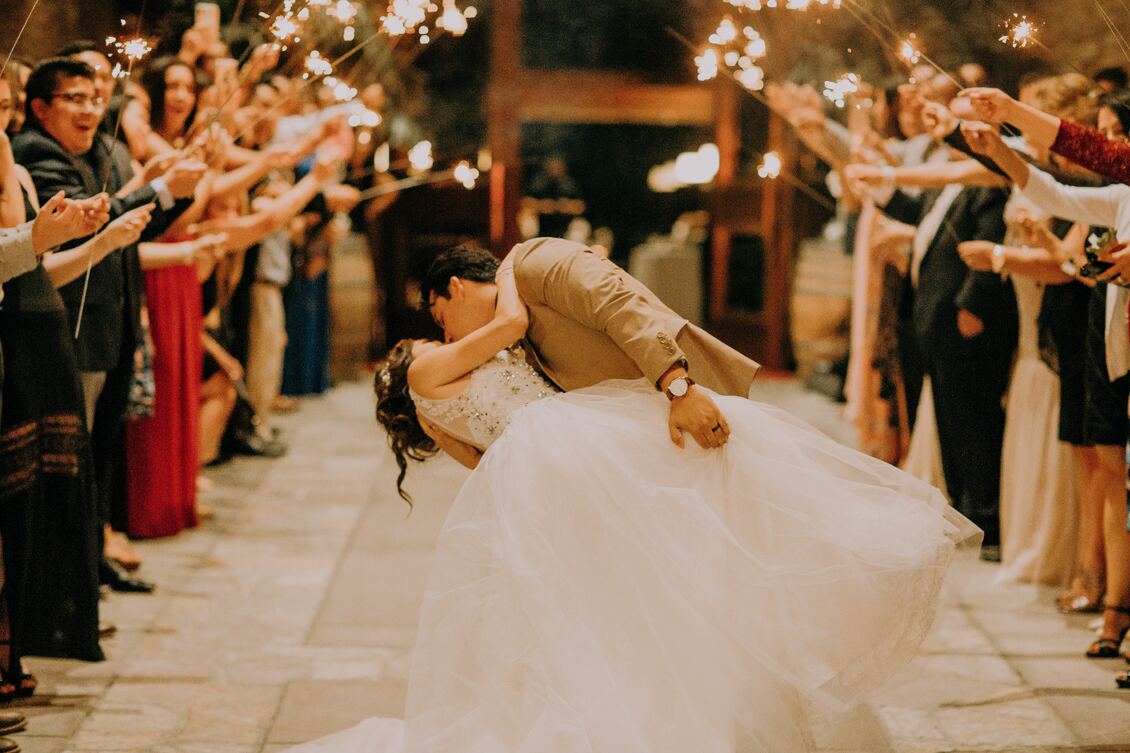
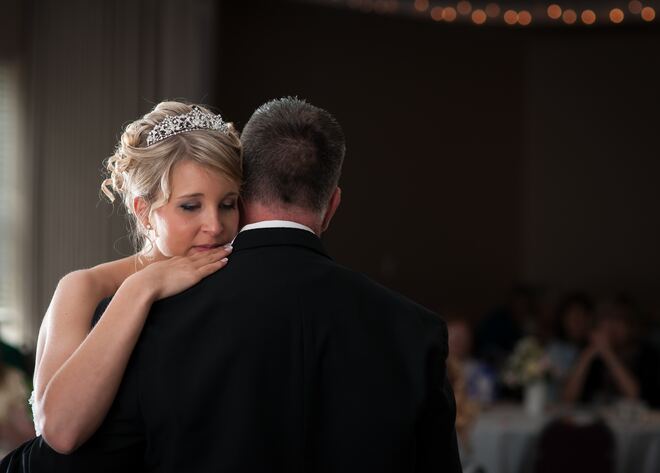
Waltz is a classic choice for wedding first dances. Its romantic nature, moderate tempo, and elegant appearance make it perfect for couples who want to look graceful without extensive training. What makes it ideal is that even basic technique looks impressive once you add the rise and fall, guests see a couple gliding across the floor and assume years of practice.
At our Montreal studio, classes are available in English, French, and Russian. Once the waltz feels comfortable, you could try the drama of paso doble, the energy of jive or the Brazilian rhythm of samba.
Dance the Waltz in Montreal
Learn this timeless dance with expert instruction.
Alina Litvak, Founder of Quartier Latin Dance Studio
Two-time Canadian Vice-Champion • 19 Years Teaching Experience