Dance fitness: a workout you'll want to show up for
Why dance classes beat the gym every time, and how to get started.
Quick answer
Is dance good exercise? Yes. Dance gets your heart rate up, builds strength and flexibility, and, unlike the treadmill, you'll actually look forward to it.
Let's be honest: most people hate going to the gym. The monotony of the treadmill, the intimidation of the weight room, the endless counting of reps. After 19 years of running a dance studio in Montreal, we keep meeting people who traded the gym for something better: a workout that feels like a party.
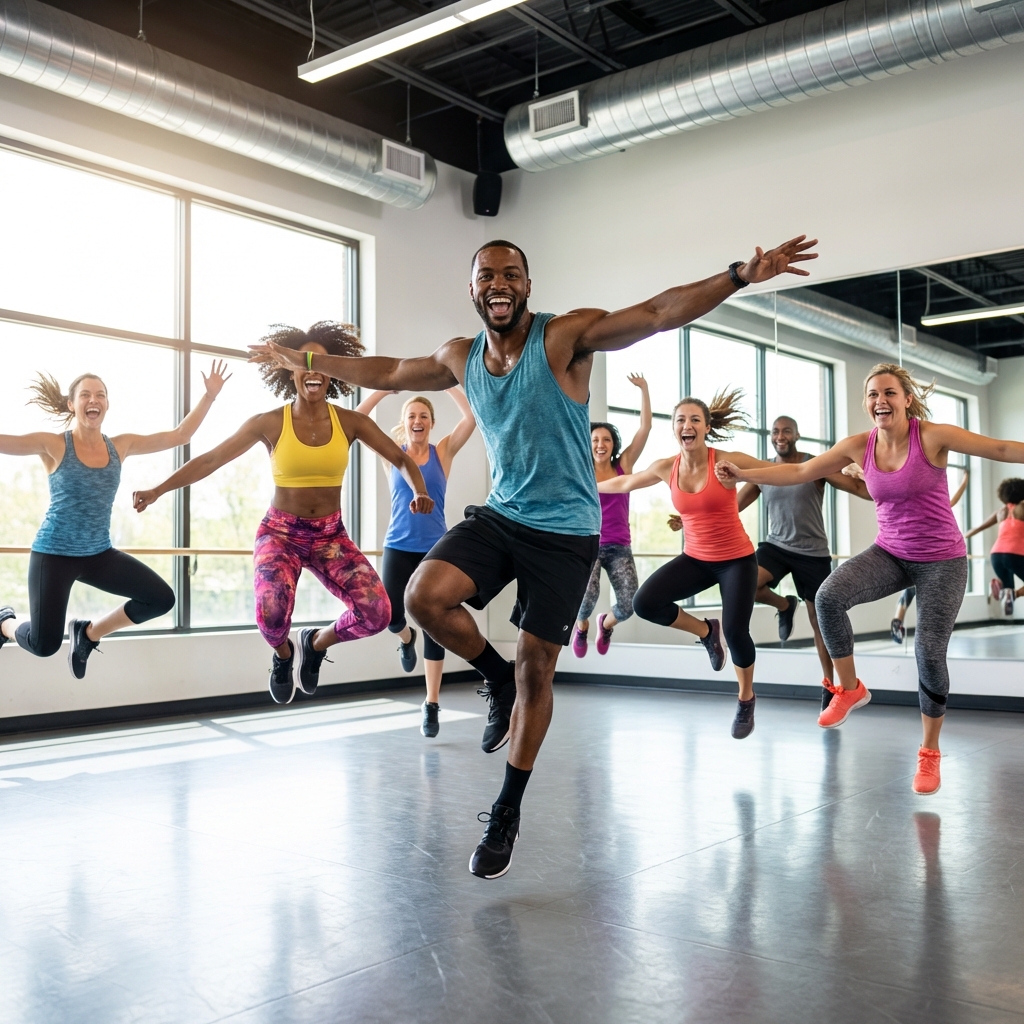
Dance works your whole body in one hour. The bigger win is that you'll actually want to show up every week. Consistency is the key to fitness, and nothing builds it like enjoying yourself.
What dance trains
One class works five parts of fitness at the same time:
- Cardiovascular endurance: Your heart rate stays up for the whole class. Your heart and lungs get a serious workout without the repetitive pounding of running.
- Muscular strength: Bodyweight resistance in every movement, lunges, turns, and lifts engage your legs, core, and arms naturally.
- Flexibility: Natural stretching through full range of motion. Week after week, your range of motion grows.
- Balance and coordination: Constant weight transfers and directional changes improve balance and body awareness.
- Cognitive function: Learning choreography keeps your memory and focus busy, which is why class feels like play and not like a workout.
Which styles feel like the hardest workout
Jive and samba are the fast, high-energy ones. Salsa and cha cha sit in the middle: steady movement, lots of turns. Bachata and waltz are gentler on the heart rate but still keep you moving for the whole hour. Not sure where to start? Call for a free 15-minute chat and we'll point you to the class that fits your energy.
Why dance beats the gym
- Social connection: You're dancing with real people, building friendships and community. Gyms are isolating; dance classes bring people together.
- Mental engagement: Every class teaches something new, keeping your brain active and challenged. On a treadmill, your brain checks out. In dance class, it's fully engaged.
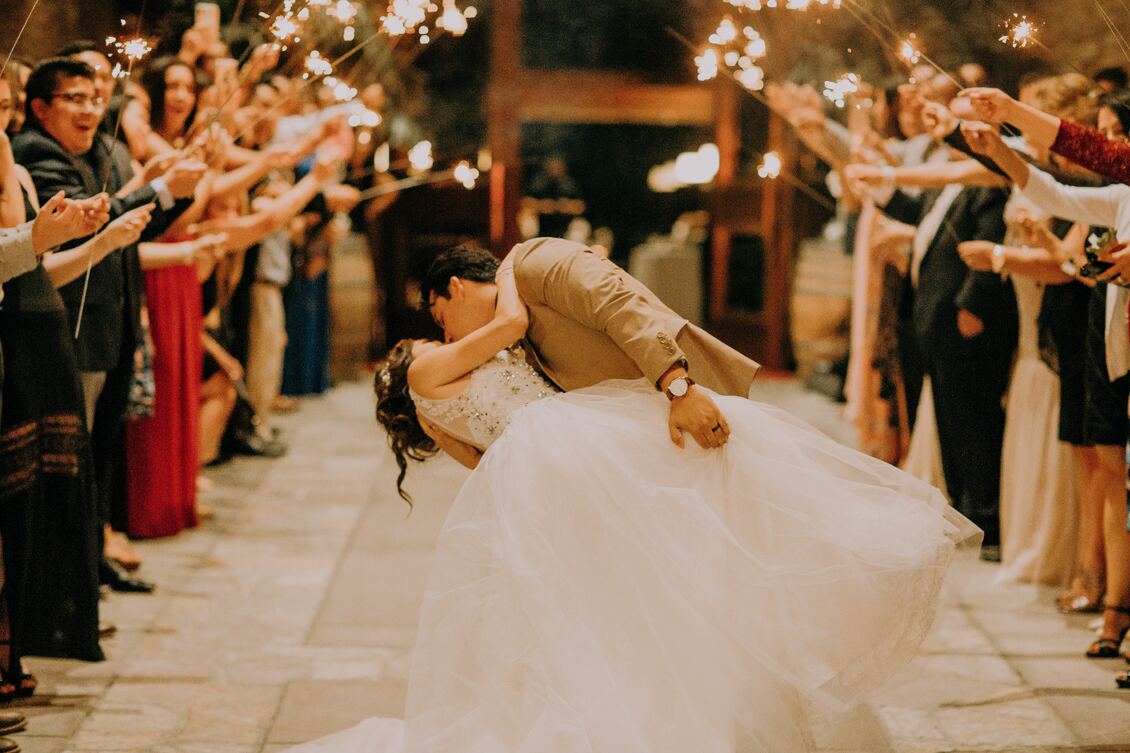
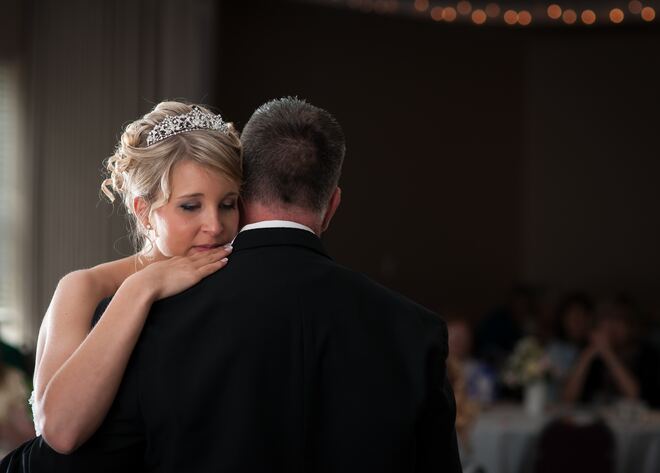
- Skill development: You're building something lasting. After a year at the gym, you can run further. After a year of dance, you can dance: a skill you carry to every wedding, party, and social event for life.
- Joy: When was the last time you smiled on a treadmill? In dance class, laughter is constant.
- Usable in real life: Take your dance skills to weddings, parties, date nights, and social events. Try doing that with your bench press numbers.
Getting started
You don't need any prior experience or a certain fitness level. Our adult group classes welcome complete beginners and give you a great workout while you learn real dance skills. Wear comfortable clothes, bring water, and be prepared to have fun. Classes are available in English, French, and Russian.
Come every week and the classes get easier and the music gets more fun. If you like a fast pace, see why jive is such a high-energy workout. You can also read about what dance gives you beyond fitness and the benefits of dance for adults.
Your first class is one call away
Call for a free 15-minute chat. Classes in English, French and Russian. No experience needed.
Alina Litvak, Founder of Quartier Latin Dance Studio
Two-time Canadian Vice-Champion • 19 Years Teaching Experience
- Tags:
- Fitness
- Group Classes