Rumba: the dance of love and how to master its basics
The most romantic of the Latin dances, and why it is often called the "mother of Latin dances."
Quick answer
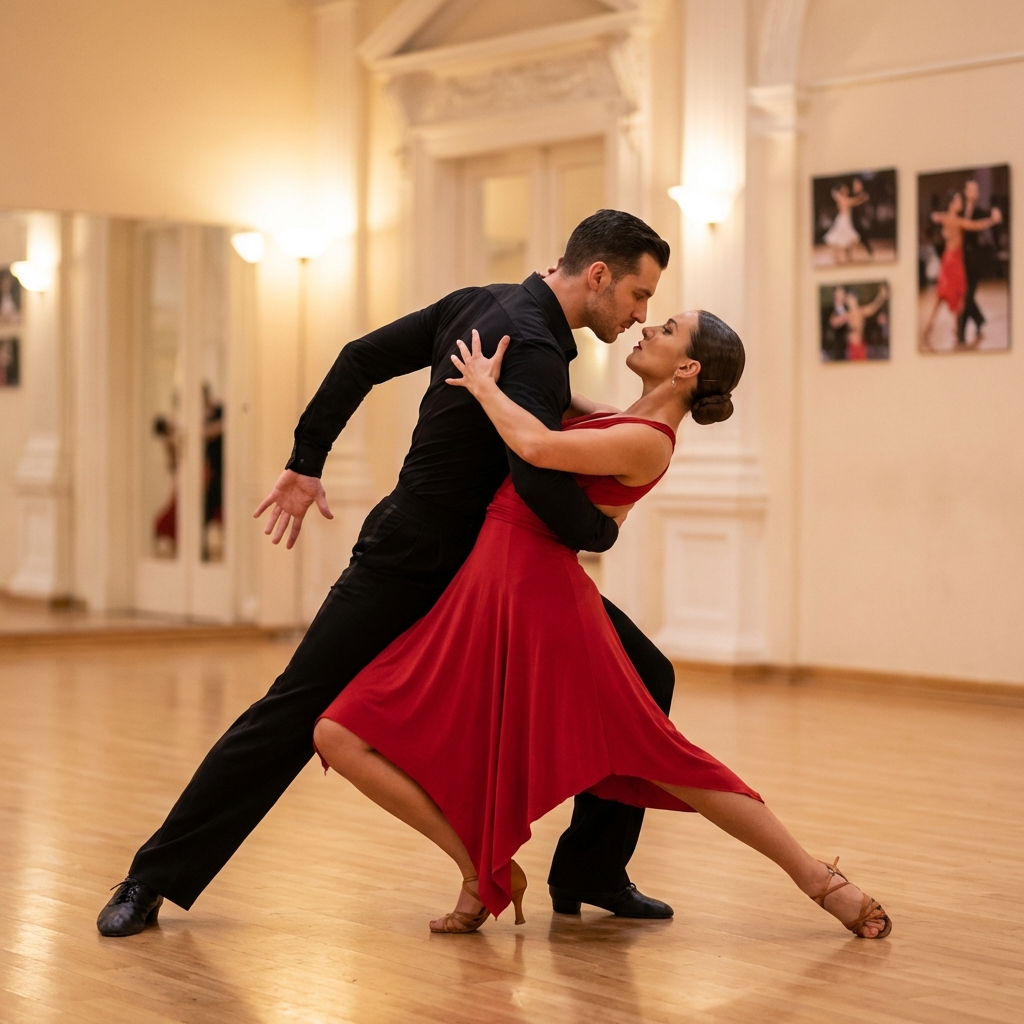
What is rumba? Rumba is the slowest and most romantic of the Latin dances. It's characterized by intense eye contact, expressive hip movement, and telling a story of love between partners. The slow tempo means every movement matters, making it both the easiest to follow rhythmically and the hardest to master expressively.
If salsa is the party dance of Latin, rumba is the love letter. It's the dance you choose when you want to express deep emotion, when every gesture means something, when the music gives you space to breathe and feel.
Rumba is the dance where you can't hide behind speed or flashy moves. It asks for connection and control, and it is worth the challenge.
The history of rumba
Rumba originated in Cuba among African slaves in the 16th-19th centuries. The original Cuban rumba was a street dance with drumming, singing, and movement that told stories of daily life and courtship.
Ballroom rumba took shape in the early 20th century, when Cuban rumba reached New York and was adapted for social dancing. The International Latin style rumba was standardized in the 1950s, built around Cuban motion, expression and the romantic story between partners.
The rumba basic step
Rumba is counted in 4/4 time but danced on counts 2-3-4, with a "slow-quick-quick" rhythm:
For Leaders:
- Step forward with left foot (slow - beat 2)
- Replace weight to right foot (quick - beat 3)
- Step side with left foot (quick - beat 4)
- Step back with right foot (slow - beat 2)
- Replace weight to left foot (quick - beat 3)
- Step side with right foot (quick - beat 4)
Note: Beat 1 is a held position with weight transfer. You don't step on it, but your hips are moving.
What makes rumba special
- Slow tempo: Gives you time to express each movement fully
- Cuban motion: The signature hip movement is most visible in rumba due to the slow pace
- Eye contact: Connection with your partner through the eyes is essential
- Storytelling: Rumba tells a story of love, seduction, rejection, and reconciliation
- Musical interpretation: Advanced dancers interpret the melody, not just the rhythm
Rumba music recommendations
- "Perhaps, Perhaps, Perhaps" by Nat King Cole. Classic rumba feel
- "With You I'm Born Again". Popular competition choice
- "Sway" (various artists), depending on tempo, works for rumba
- "Historia de un Amor". Traditional romantic rumba
- "Cuando Me Enamoro". Modern Latin ballad
Why learn rumba
Rumba is often called the "mother of Latin dances" because its technique forms the foundation for cha cha, mambo, and even elements of other Latin styles. If you master rumba's Cuban motion and timing, other Latin dances become much easier. If you want a more dramatic partner, see the paso doble, the dramatic dance of theater and passion.
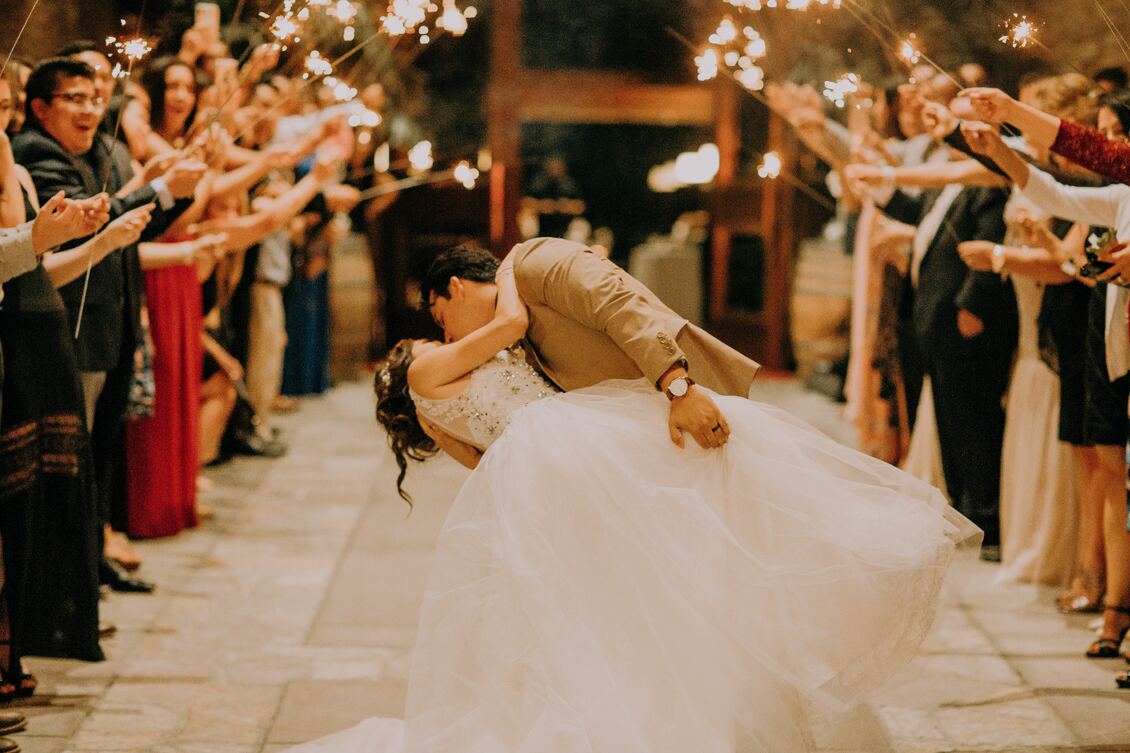
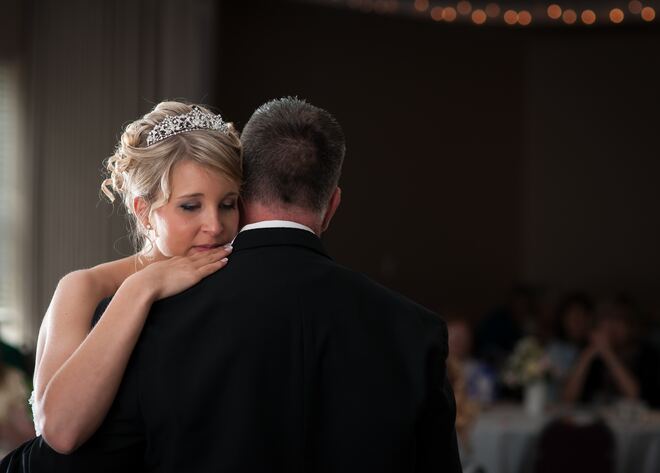
For wedding couples, rumba makes a romantic first dance. The slow pace means you won't feel rushed, and it lets you connect with your partner on the day.
Learn the dance of love
Learn rumba with a teacher in Montreal. Start with a free 15-minute call.
Alina Litvak, Founder of Quartier Latin Dance Studio
Two-time Canadian Vice-Champion • 19 Years Teaching Experience