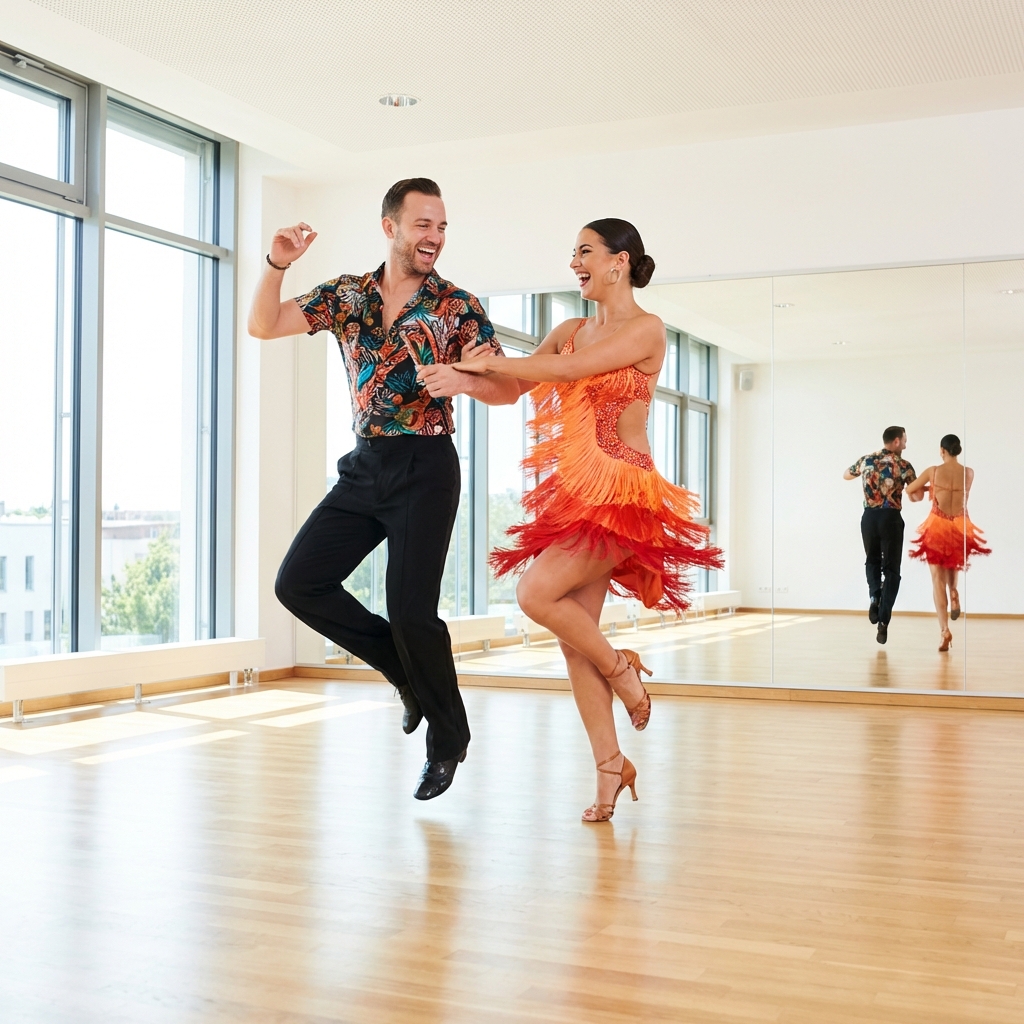
Cha cha demystified: the dance that gets everyone moving
Learn why cha cha is the most playful Latin dance, and the perfect starting point for your dance journey.
Quick answer
What is cha cha? Cha cha is a fun, flirtatious Latin dance characterized by its iconic triple step ("cha-cha-cha") and playful energy. It's danced to upbeat music and is known for sharp movements, Cuban motion, and a cheeky attitude that makes it irresistible on any dance floor.
Of all the Latin dances, cha cha might be the most universally loved. It's fast enough to be exciting but not so fast you can't keep up. It's structured enough to learn quickly but expressive enough to never get boring. And that triple step? There's a reason it makes everyone smile.
I've taught cha cha in Montreal for 19 years, and it remains one of my favorite dances to teach. There's something about the way students light up when they nail that syncopated rhythm for the first time. Let me show you why this dance is so special.
The history of cha cha
Cha cha was born in Cuba in the early 1950s, evolving from the mambo and danzón. Cuban composer Enrique Jorrín is credited with creating the cha-cha-chá (its full name) when he noticed that dancers struggled with the syncopated rhythms of mambo but loved doing triple steps.
The name itself comes from the shuffling sound dancers' feet make during the triple step: cha-cha-cha. It quickly spread from Havana's dance halls to ballrooms around the world, becoming one of the five International Latin dances in competitive ballroom.
The cha cha basic step
Cha cha is counted in 8 beats but follows a distinctive 4-and-1, 2, 3 pattern. The "and" is where that famous triple step happens.
For Leaders:
- Step forward with left foot (beat 1)
- Replace weight to right foot (beat 2)
- Side step left, together, left - the cha-cha-cha (beats 3-and-4)
- Step back with right foot (beat 5)
- Replace weight to left foot (beat 6)
- Side step right, together, right - the cha-cha-cha (beats 7-and-8)
For Followers:
Mirror the leader, step back on beat 1, forward on beat 5, with the same side-to-side cha-cha-cha.
Pro tip: The cha-cha-cha is "side-together-side," not three separate side steps. Keep it compact and crisp. Think of it as a quick shuffle, not three distinct movements.
What makes cha cha unique
Cha cha stands out from other Latin dances for several reasons:
- The triple step: That signature cha-cha-cha gives the dance its playful bounce
- Cuban motion: Hip movement that comes from proper weight transfer and bent knees
- Cheeky attitude: Cha cha is flirtatious and fun, smiling is mandatory!
- Staccato movements: Sharp, precise movements that contrast with the smooth hip action
- Playful dynamics: The dance alternates between quick, flashy movements and held poses
Cha cha music and timing
Cha cha is danced to music in 4/4 time, typically around 120-128 beats per minute. The music usually features prominent percussion, especially the güiro (a scraping instrument) and congas.
Great songs to practice with:
- "Smooth" by Santana ft. Rob Thomas. Perfect tempo, clear beat
- "Oye Como Va" by Santana. Classic Latin rock cha cha
- "Sway" by Michael Bublé, modern twist on a classic
- "Tea for Two" by Tommy Dorsey. Traditional cha cha feel
- "Perhaps, Perhaps, Perhaps" by Doris Day. Flirtatious and playful
Cha cha vs. other Latin dances
Understanding how cha cha differs from its Latin siblings helps you appreciate what makes it special. For a closer look at the neighbours, read about rumba, the dance of love, salsa for beginners in Montreal and Brazilian samba essentials:
| Dance | Character | Speed |
|---|---|---|
| Cha Cha | Playful, flirtatious | Moderate-fast |
| Rumba | Romantic, sensual | Slow |
| Samba | Carnival energy | Fast |
| Jive | High-energy, bouncy | Very fast |
Common mistakes beginners make
After teaching more than 1,000 students, I see these errors most often:
- Too big on the cha-cha-cha: The triple step should be compact, not wide side steps
- Bouncing instead of using Cuban motion: The movement should be in your hips, not your shoulders
- Rushing the timing: Wait for the music, the cha-cha-cha happens on "and-4" not before
- Stiff upper body: Your core moves with your hips; it shouldn't be rigid
- Forgetting to smile: Cha cha is playful! Your expression is part of the dance
Why cha cha is great for beginners
Many instructors recommend cha cha as a first Latin dance for these reasons:
- Clear timing: The cha-cha-cha makes the rhythm obvious and fun to feel
- Moderate tempo: Not as slow as rumba (where every move is exposed) or as fast as jive
- Foundation for others: The Cuban motion and partner connection transfer to all Latin dances
- Quick wins: The basic step is easy to see and copy
- Versatile music: Cha cha music is common at weddings, parties, and social events
What to expect in a cha cha class
A typical beginner cha cha class in Montreal includes:
- Solo practice: Learning the basic step and cha-cha-cha rhythm on your own
- Cuban motion: Developing that essential hip movement
- Partner work: Connecting with a partner in closed hold
- Basic figures: Usually New York (underarm turn) and spot turns
- Musicality: Dancing to different cha cha songs
Cha cha for weddings and social events
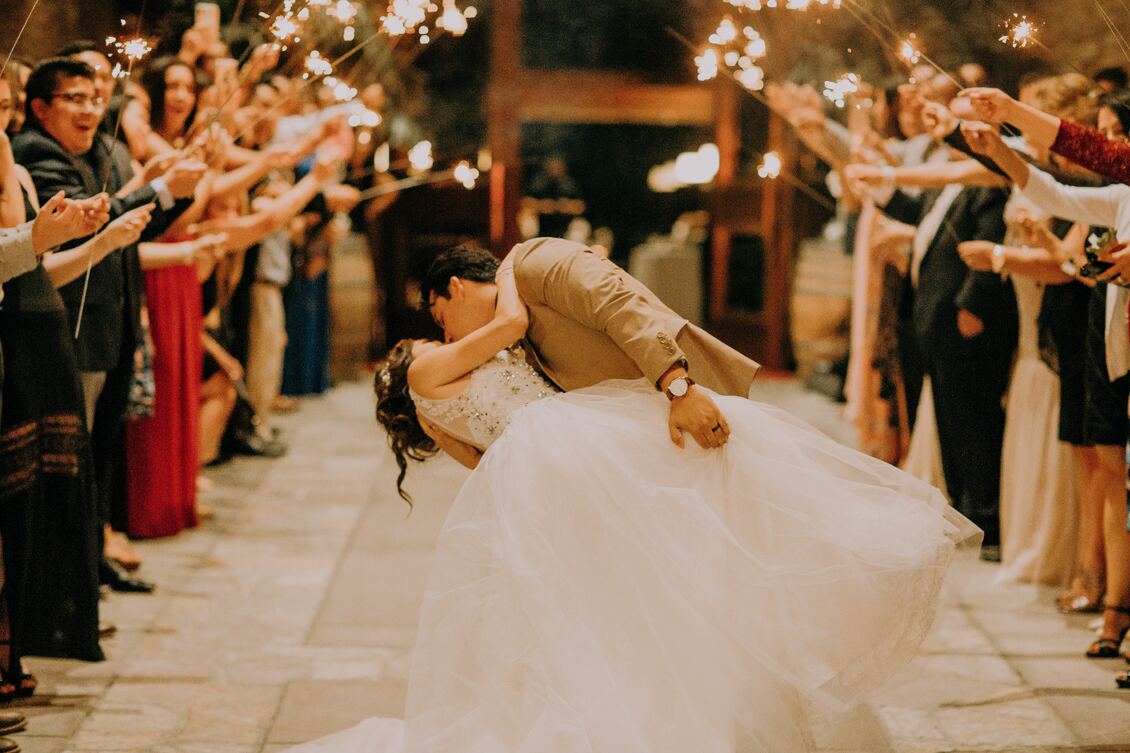
Cha cha is a fantastic choice for weddings and parties. The music is recognizable, the dance is impressive but approachable, and it works for couples with different experience levels.
If you're preparing for a wedding first dance, cha cha offers:
- A fun, memorable performance that guests will love
- A routine that looks polished and stays easy to execute
- Songs your DJ likely already has
- A balance of structure and playfulness
Start dancing cha cha in Montreal
Ready to experience the joy of cha cha? Whether you're looking to add a fun skill, prepare for an event, or begin your journey into Latin dance, cha cha is the perfect place to start.
At our Montreal studio, we teach cha cha to complete beginners and up. Classes run in English, French and Russian, and we keep the playful spirit of the dance in every lesson.
Try cha cha in Montreal
The most playful Latin dance, taught step by step.
Alina Litvak, Founder of Quartier Latin Dance Studio
Two-time Canadian Vice-Champion • North American Bronze Medalist • 19 Years Teaching Experience