Quick answer
The Viennese waltz is the fast waltz: the same 1-2-3 count, about twice the speed, turning almost the whole time. It is built on two turns (the natural turn to the right and the reverse turn to the left) joined by change steps. Learn the slow waltz basics first, then take it at speed with a teacher. At a wedding, it turns a first dance into the moment guests film.
I've taught in Montreal since 2007, and the Viennese waltz is the dance people point at in a video and say "that one." Here is what it really is, how it differs from the slow waltz, and how to get there in our Viennese waltz lessons in Montreal.
Viennese waltz or slow waltz: what's the difference?
Both are waltzes: music in 3/4, one strong beat and two lighter ones, danced in a closed hold. After that, they are two different animals.
- Speed. The slow waltz runs at about 30 bars a minute. The Viennese waltz runs at about 60. Same count, double the pace.
- Turning. The slow waltz mixes turns, walks and pauses. The Viennese waltz is almost all rotation, travelling around the floor.
- Rise and fall. The slow waltz has a big, soft rise and fall. In the Viennese waltz it stays small, because there is no time for it. The movement goes into the sway and the turn.
- Figures. The slow waltz has dozens. The Viennese waltz has a handful, and that is the charm: you don't learn more steps, you learn to turn better.
New to waltz altogether? The slow one is the place to start. My beginner's guide to the waltz walks you through the box step and the rise and fall.
The natural turn and the reverse turn
Almost the whole dance comes down to two figures:
- The natural turn turns to the right, clockwise. It is the one most people find easier, so it is usually taught first.
- The reverse turn turns to the left. It feels strange at first, because the leader's feet cross on the way around. This is where good dancers stand out.
- Change steps link the two. Three steps forward or back without turning, so you can switch from right to left without stopping.
Each turn takes six steps for a full circle, two bars of music. The couple turns as one, while the whole circle travels counter-clockwise around the room, the line of dance. Picture a planet turning on itself while it goes around the sun.
My tip: the turn comes from the hold, not the feet. If you try to steer with your feet, you fall behind the music by the second bar. Keep the frame still and let both bodies turn together.
Why you don't start it on your own
You can learn a lot of things from a video. The Viennese waltz is not a good one to try alone in the living room, for three reasons:
- Dizziness. Turning for a whole song makes most beginners dizzy. Dancers use a few tricks (where to look, how to keep the head with the frame) that are hard to see on a screen and easy to show in person.
- The hold. At this speed a loose hold sends the couple flying apart. A teacher fixes in one minute what takes weeks to find alone.
- Habits. Steps that are too big, a head that drops, a leader who pulls: at speed, small mistakes become big ones, and they stick.
The good news: once you have a steady waltz basic and a good hold, the Viennese waltz comes faster than people expect. It is fewer figures, danced very well.
The Viennese waltz at a wedding
In Vienna, one call opens the ball floor to everyone: "Alles Walzer!" The dance still has that feeling of a grand entrance. That is why couples love it for a wedding. A few ways to use it:
- The first dance. A full Viennese waltz looks spectacular. Pick a song with a clear, quick 3/4 and keep it short, two minutes is plenty.
- Slow, then fast. Start in a slow waltz, then let the music speed up into Viennese turns for the finish. Guests remember the switch.
- Opening the floor. A minute of Viennese waltz, then invite your parents and the wedding party to join.
Still choosing your song and style? See our wedding first dance guide. Leave time: a couple who has never danced needs a few weeks of practice to turn safely in a wedding dress.
Private lessons or a group class?
For the Viennese waltz, private lessons are the fastest way in: every correction goes to your hold and your turn, at your pace. Many couples prepare a wedding dance this way. A ballroom group class is a great base for the waltz count and the hold, and you can add a private lesson when you are ready to turn at speed. More on choosing in our private lessons guide. Curious about the other Standard dances? Here are the 10 types of ballroom dance.
Questions about the Viennese waltz
Is the Viennese waltz hard to learn?
It is faster than the slow waltz, but it has fewer figures. With a solid waltz basic and a good hold, most people turn comfortably after a few lessons.
What is the difference between a waltz and a Viennese waltz?
Speed and rotation. The slow waltz runs at about 30 bars a minute with a big rise and fall; the Viennese waltz runs at about 60 and turns almost all the time.
Can we dance a Viennese waltz at our wedding?
Yes. Many couples start slow and finish in Viennese turns, or open the floor with it. Give yourselves a few weeks to practise.
Your next step
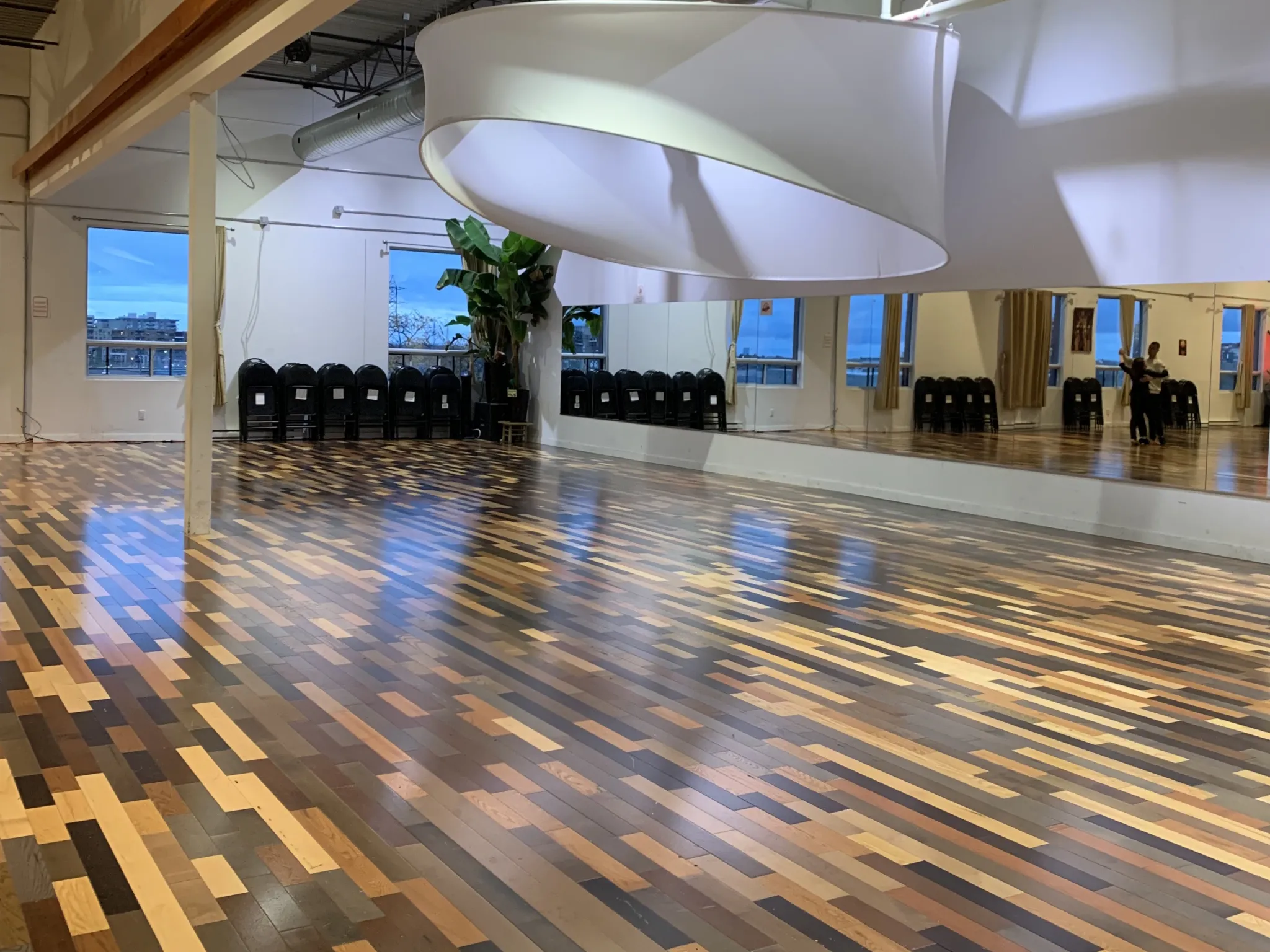
I teach every lesson myself, with classes in English, French and Russian, at our studio in Ahuntsic with free parking. I'm a two-time Canadian vice-champion, and we are rated 4.9 on Google from 112+ reviews. We teach waltz and Viennese waltz in private lessons, group classes or both. Tell us about your song or your wedding date on a free 15-minute call, and we'll plan your first turn.
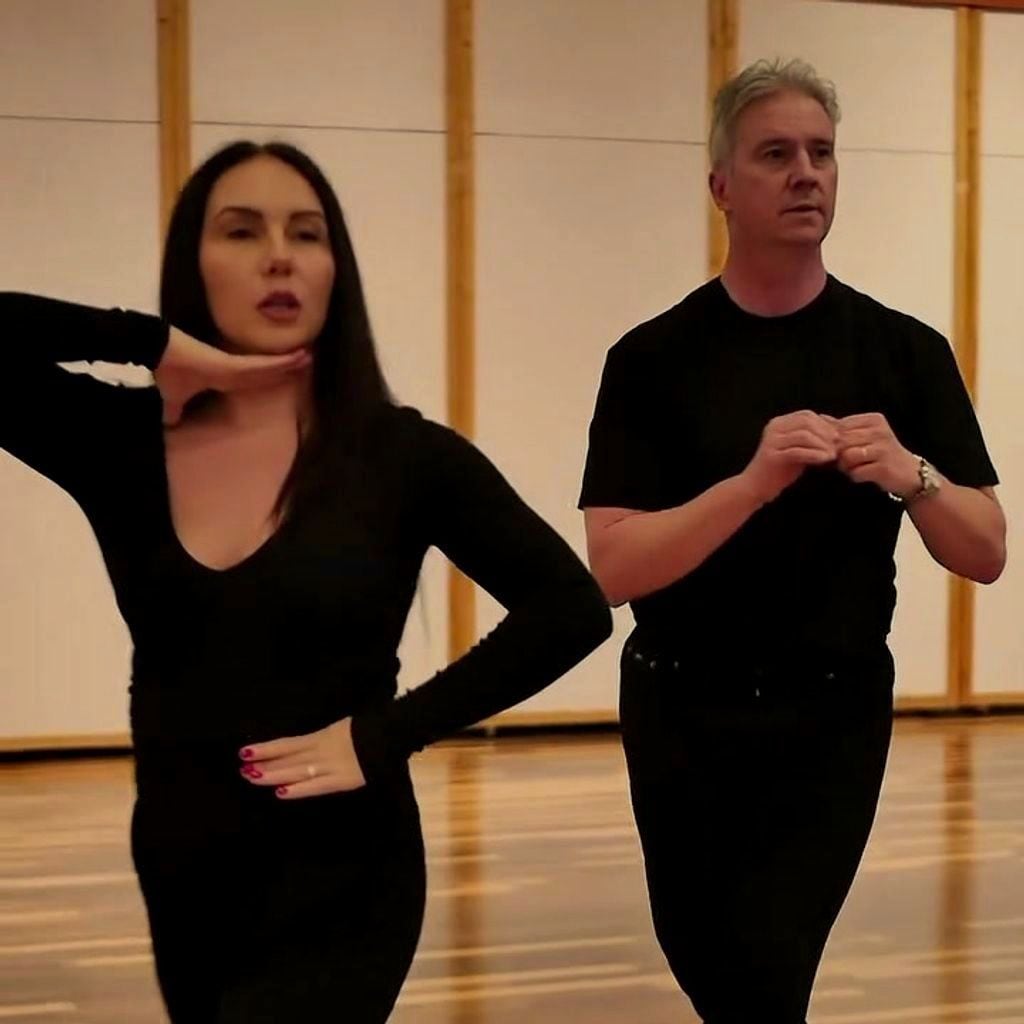
Alina Litvak, Founder of Dance Studio "Quartier Latin"
Two-time Canadian Vice-Champion • 19 Years Teaching Experience