Quick answer
A private dance lesson with me runs in four parts. I watch how you move, and we pick one goal for the day. We work on that goal until it holds, then finish with a run-through and one or two things to practise at home. No group, no audience. It starts before you arrive, with a free 15-minute phone call where you tell me what you're dancing for.
In this guide
- Before you arrive: a 15-minute call
- The room: just you and me
- The first few minutes: what I'm watching
- One goal for today
- The middle: show, try, correct
- Dancing with your teacher
- The end of the lesson: run-through and homework
- Between lessons: the next one picks up where this one stopped
- Does a champion's title change your lesson?
- Private lessons: your questions
- Now you know what's behind the door
Before you arrive: a 15-minute call
Your lesson starts on the phone. You tell me what you're dancing for and by when. Maybe it's a first dance in June, a competition, or just "I've always wanted to." I ask whether you've danced before, in any style, and whether anything in your body needs care, like a knee or a back.
Behind the scenes, I'm already planning. A couple with a wedding date and someone who wants cleaner salsa turns need different first lessons, so I pick yours before you walk in. The call is free, and it's in English, French or Russian.
The room: just you and me
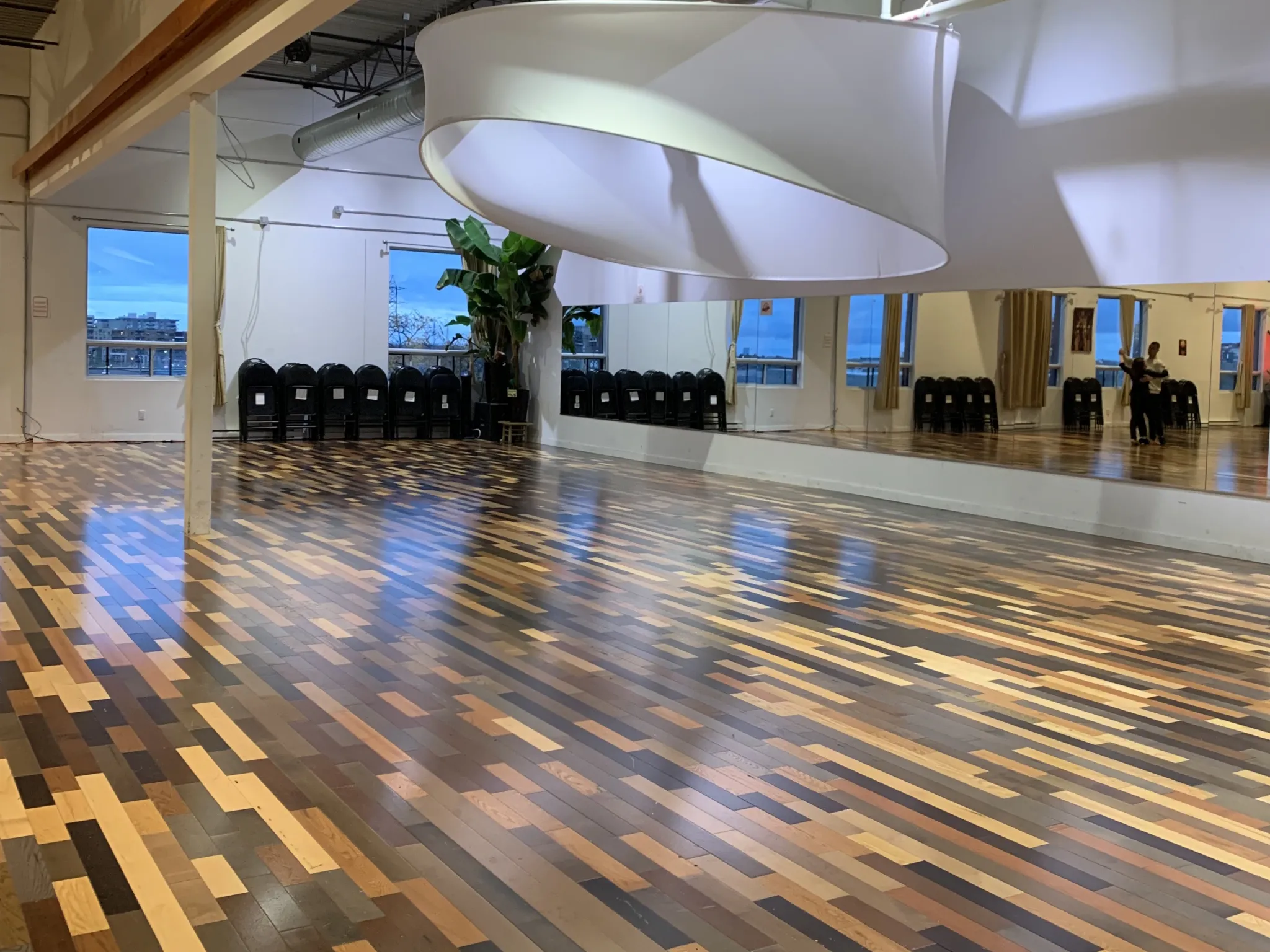
There's no group and no one watching. Learning anything new means looking clumsy for a while, and that's much easier when the only person who sees it is the one there to help.
Wear clothes you can bend your knees in and shoes with a smooth sole. If you're unsure, here is what to wear to a dance class.
The first few minutes: what I'm watching
I don't start by teaching. I ask you to walk, shift your weight from one foot to the other, and maybe step to a song. It feels like nothing. It isn't a test, and there's no score.
Under that simple walk, I'm reading four things:
- Where your weight sits. Standing on both feet at once makes every step feel late. I check which foot you're really on.
- Where you hold tension. Shoulders up near the ears, locked knees, a held breath. Tension shows me what to loosen before we add anything.
- How you meet the music. Do you hear the beat and step on it, step a little after it, or ignore it and count in your head?
- How you take a correction. I give you one small change and watch how you try it. That tells me whether you learn best from words, from seeing it, or from feeling it.
After 19 years of teaching, those few minutes tell me where to start. If you're certain you're the hopeless case, read how private coaching handles "two left feet": it's usually one small, fixable problem.
One goal for today
Then we agree on one thing to work on. Not five things: one. It might be technical (putting your weight fully on each step), musical (starting on the right beat), or a figure (the first eight counts of your first dance).
Why only one? Because one thing done until it sticks beats three things you half remember in the car. The other four goals don't disappear. They wait for the next lesson.
The middle: show, try, correct
This is most of the lesson, and it's where a private session is nothing like a group class.
I stop you the moment something's off
In a group, I can see your mistake and still have to keep the class moving. Here I stop you on the spot, and we fix it before your body practises it wrong twenty times.
You get the reason, not just the rule
"Bend your knee here" is easy to forget. "Bend your knee so your weight lands before the next beat" is something you can check on your own at home. I explain why a step works, so you can correct yourself between lessons.
I teach the way you learn
If words work for you, I talk. If you need to see it, I dance it next to you in the mirror. If you need to feel it, I'll guide your frame with my hands. You don't have to tell me which one you are. I've usually seen it in the first few minutes.
Dancing with your teacher
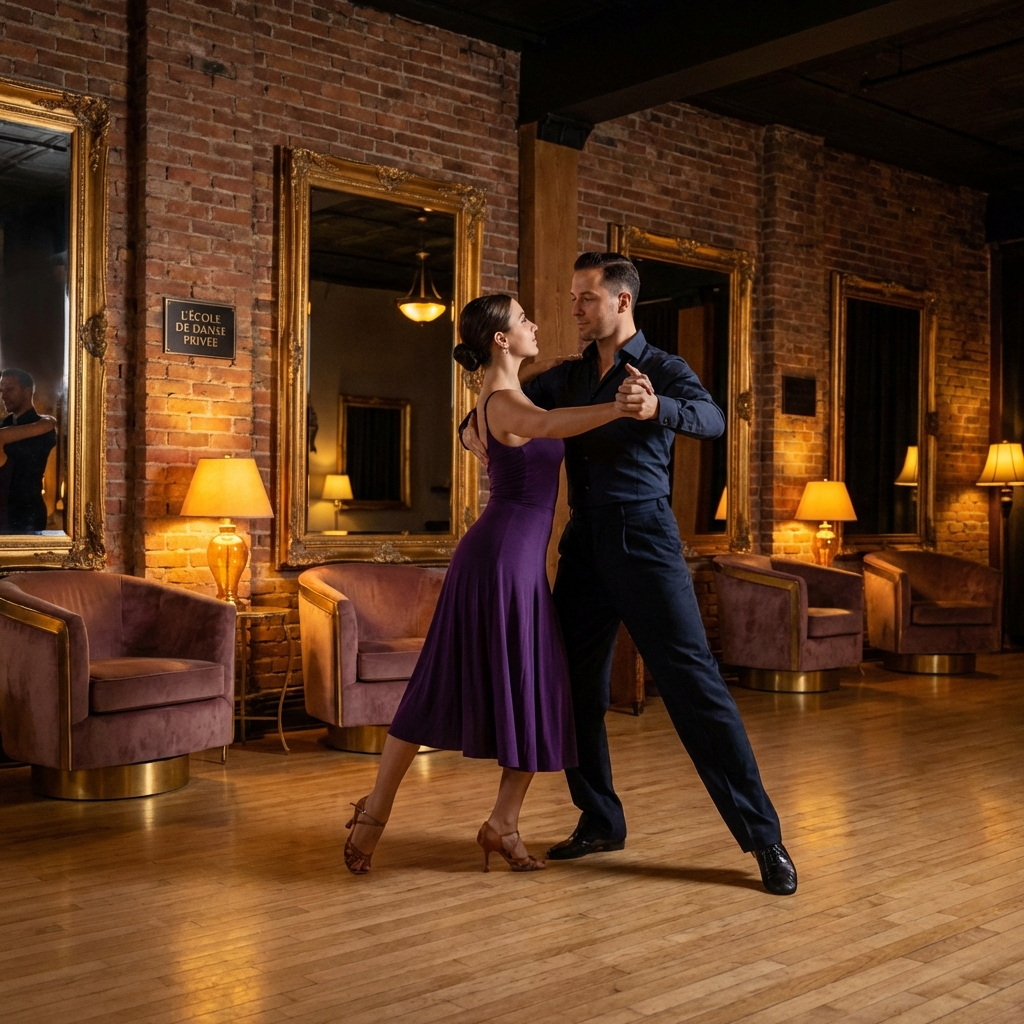
Partner dances need a partner. If you come alone, I dance the other role so you can feel the figure as it's meant to feel.
Learning to lead? I follow, and I follow only what you actually lead, so you feel straight away when a signal is clear and when it isn't. Learning to follow? I lead, and you feel what a clear lead and a steady frame are like from the inside. For the conversation that happens through your hands, read how leading and following work in salsa.
Come as a couple and the lesson teaches you as a pair: one leads, one follows, and I step in to show each role when you get stuck.
The end of the lesson: run-through and homework
Near the end we stop adding and start repeating. You dance today's goal again and again until you stop thinking about it. That's the moment I'm waiting for: when you're counting less and dancing more.
Then you leave with one or two things to practise, not a list. It might be a weight change in the kitchen, a figure to walk through slowly, or one song to step the beat to. Ten minutes most days does more than an hour on Sunday; the solo practice routine shows how.
Between lessons: the next one picks up where this one stopped
The next lesson starts by checking last time's goal. If it held, we build on it. If it slipped, that tells me what to fix before we add anything. Each lesson picks up where the last one stopped, until you're dancing it for real: at your wedding, at your competition or at Saturday's salsa night.
Tell me your goal on a free 15-minute phone consultation and I'll plan your first lesson: 514-966-3736. Still weighing private against group? Read the private vs group lessons guide, or see how our group classes make learning feel like a party.
Does a champion's title change your lesson?
I'm a two-time Canadian vice-champion and two-time Quebec champion. For your lesson, that means one thing: I know the difference between "close enough" and "correct," and I can see it in a single step.
It doesn't mean I teach you like a competitor. I've taught every lesson at the studio myself since 2007, beginners included. The skill that matters in a private lesson isn't dancing well. It's turning what I know into the one change you can make today.
Private lessons: your questions
Do I need to know which dance I want before the first lesson?
No. Tell me what you're dancing for on the call, and I'll suggest a style. Salsa or bachata suit social nights; rumba, cha cha or a waltz suit many first dances. You can change your mind once you've tried it.
What if I forget everything by the next lesson?
You'll forget some of it, and that's expected. That's why you leave with only one or two things to practise, and why the next lesson starts by checking them.
Will I dance the whole lesson, or listen to explanations?
Mostly dance. Explanations are short and come right before you try the step again. If you're getting tired, say so: we slow down, and the lesson keeps going.
Do I have to dance with you if I came with my partner?
No. You dance with each other, and I step in only to show a role or to let one of you feel how a figure should go.
Now you know what's behind the door
Nothing behind the door is a test. The only part left to plan is your goal, and that's what the call is for.