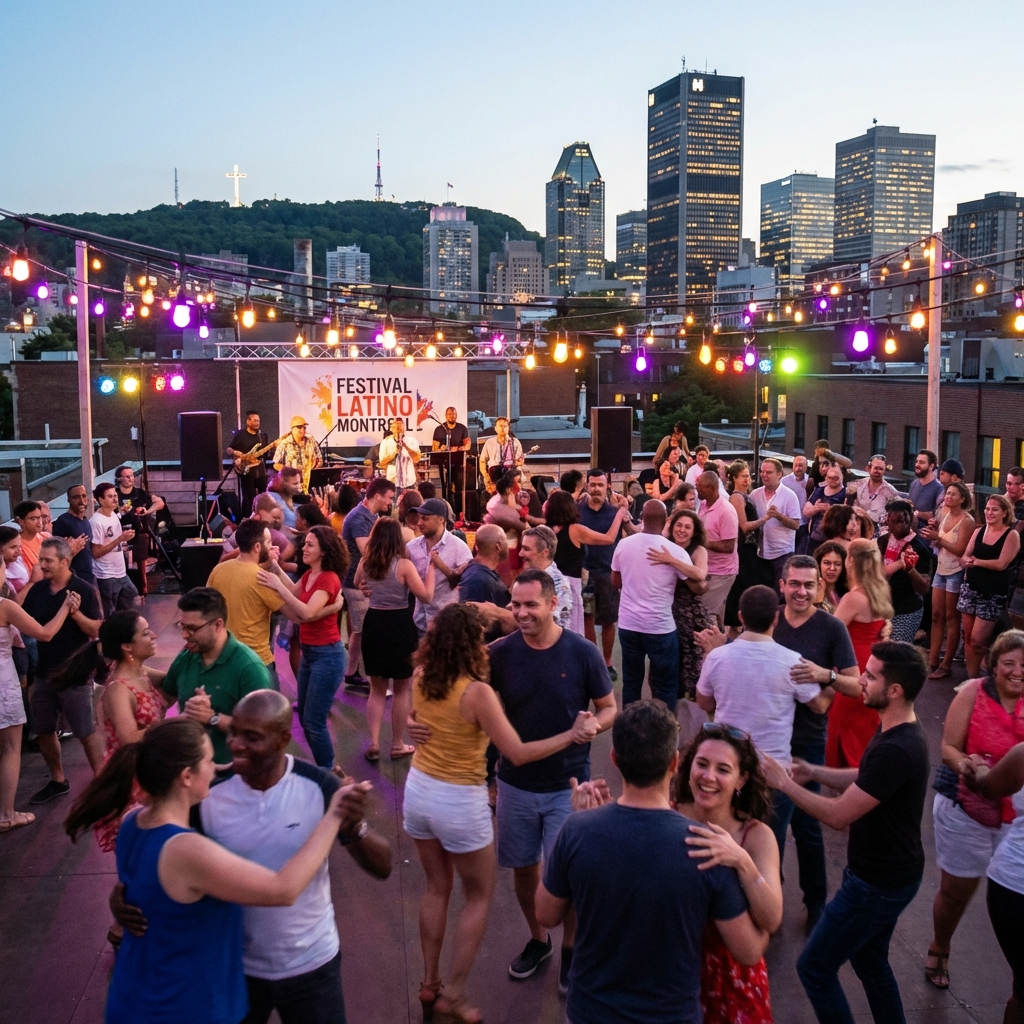
Montreal salsa survival guide: where and how to dance social salsa
You've taken some classes. You know your basic step. Maybe you can even do a turn or two. Now what?
Salsa gets real on the social floor: dancing with strangers to music you've never heard, adapting on the spot, becoming part of a community. This guide covers how to start.
Understanding Montreal's salsa scene
The style breakdown
Socials differ in the timing style they favour: On1 (LA style) or On2 (New York style). If you're unsure which style you've learned, check out our guide on Salsa On1 vs. On2.
Many socials play a mix of salsa and bachata. Knowing the basics of both gives you more dances.
The community culture
Montreal's Latin dance community is welcoming to newcomers, but like any community, there are unspoken norms. Generally:
- Ask politely and most people are happy to dance with beginners
- Expect a mix of languages and backgrounds
- Regulars start to recognize you over time
- Quality of connection matters more than flashy moves
Types of events
Weekly socials
These are regular events at established venues. Check each venue for its schedule and entry details.
What to expect: A mix of skill levels, consistent regulars, and a comfortable environment for practice.
Studio parties
Some dance studios host parties for their students. These can be a gentler place to start, since many of the dancers are beginners too.
Festival parties
Latin dance festivals bring dancers from out of town. The level is often higher, so go once you're comfortable with the basics.
Club nights
Some Latin clubs host salsa nights. Expect louder music, darker lighting and a more casual vibe. These suit experienced dancers best and can overwhelm beginners.
How to prepare
Take classes first
Take a few months of group classes before your first social, so you have the foundation to enjoy it.
Going before you can do a basic step confidently can feel overwhelming. Here is how the path from your first group class to the social floor can look.
What to wear
- Shoes: Smooth-soled, comfortable for hours of dancing. Dance shoes are ideal but not required for beginners.
- Clothes: Something you can move in that won't overheat you. Layers help. You'll warm up fast.
- Bring: A small towel (you will sweat), breath mints, deodorant for touch-ups.
Arrive at the right time
Many socials open with a short lesson, then move to open dancing. Check the venue's schedule. Arriving for the lesson gives you the full night, and arriving later means a shorter one.
Navigating the dance floor
Asking for dances
The traditional approach: make eye contact, smile, extend your hand, and ask "Would you like to dance?" Simple and effective.
Important: Accept rejection gracefully. People decline for many reasons: tired feet, waiting for someone, taking a break. Don't take it personally.
The unwritten rule runs both ways: when someone asks you, say yes unless you are too tired to dance. Say it with a smile, and it's fine to add "I'm a beginner." Dancing with people at every level also teaches you a lot, because each partner leads and follows a little differently.
During the dance
- Focus on connection, not showing off
- Keep your patterns simple if your partner is newer
- Smile and make it enjoyable for both of you
- One song is standard; two songs if you're both enjoying it
After the dance
Thank your partner, escort them off the floor (or at least to the edge), and part ways. It's not rude to dance with someone once and move on. That's normal at socials.
Common beginner mistakes
- Standing in the corner: Position yourself where dancers congregate. Being visible makes you approachable.
- Only dancing with friends: The point of socials is meeting new people. Branch out.
- Trying advanced moves: Basics executed well impress more than complicated patterns done poorly.
- Giving unsolicited feedback: Unless someone asks, keep corrections to yourself.
- Staying too late when exhausted: Better to leave on a high note than push through when you're too tired to dance well.
Building your presence
Become a regular
Pick one or two events and attend consistently. Regulars get recognized, invited to dance more, and integrated into the community faster than people who hop between events.
Take more classes
The more skills you develop, the more enjoyable socials become. Consider adding private lessons to work on your own goals between group classes.
Be a partner people enjoy dancing with
Attitude counts for as much as skill level. Friendly, gracious dancers who focus on their partner's experience get asked to dance more.
Safety considerations
- Let someone know where you're going
- Watch your drinks
- Trust your instincts: if someone makes you uncomfortable, walk away
- Transportation: plan your ride home before you go out
Your first social: what to expect
Expect to feel nervous. Expect to make mistakes. Expect some dances to feel awkward and others to feel great.
Expect to want to come back.
The social floor is where your class practice comes together.
Ready for your first social?
Start with classes to build your foundation, then head to the social floor. Classes in English, French and Russian. Ask about them on a free 15-minute call.