Dance shoes 101: what you need and what you don't
A practical guide to dance footwear from a professional instructor.
Quick answer
Do I need special shoes? Not immediately. Start with any smooth-soled shoe. Once you know you'll continue (usually after 4-6 classes), proper dance shoes make a real difference.
One of the most common questions I hear from new students at our Montreal studio is about shoes. People worry they need to invest in expensive footwear before their first class. Let me save you some stress: for your first few classes, you do not need dance shoes. But once you decide to continue, the right shoes will transform your dancing. Here's everything you need to know.
For your first class: what actually works
Don't let shoe anxiety keep you from starting. For your first few classes, any of these work:
- Smooth leather-soled dress shoes: The best non-dance option. They slide naturally on studio floors.
- Clean indoor sneakers: Acceptable for absolute beginners, especially in group classes.
- Socks: Better than rubber-soled shoes, though you lose ankle support and traction.
What to avoid:
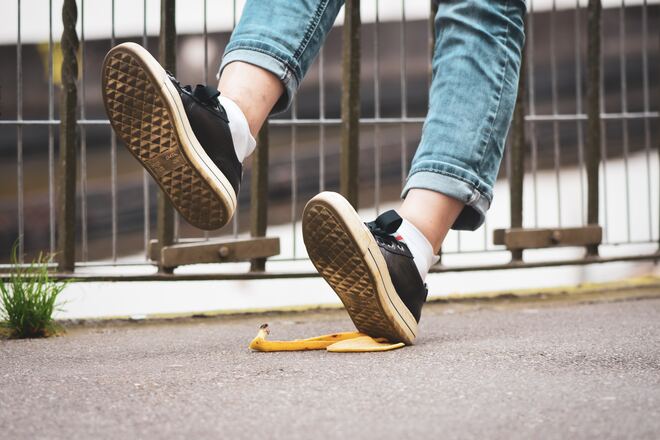
- Rubber-soled sneakers: They grip the floor too much, preventing turns and slides. Worse, they can cause knee injuries because your foot sticks while your body rotates.
- Open-toed sandals or flip-flops: No support, no protection, your toes will get stepped on.
- High heels (non-dance): Regular heels don't have suede soles and will damage studio floors.
When to buy dance shoes
After 4-6 classes, if you're committed to continuing, invest in your first pair of dance shoes. You'll immediately notice the difference, the suede soles allow controlled sliding that's essential for spins, pivots, and virtually every Latin or ballroom step. The flexible construction lets your foot articulate naturally. It's the single biggest upgrade a beginner can make.
Types of dance shoes
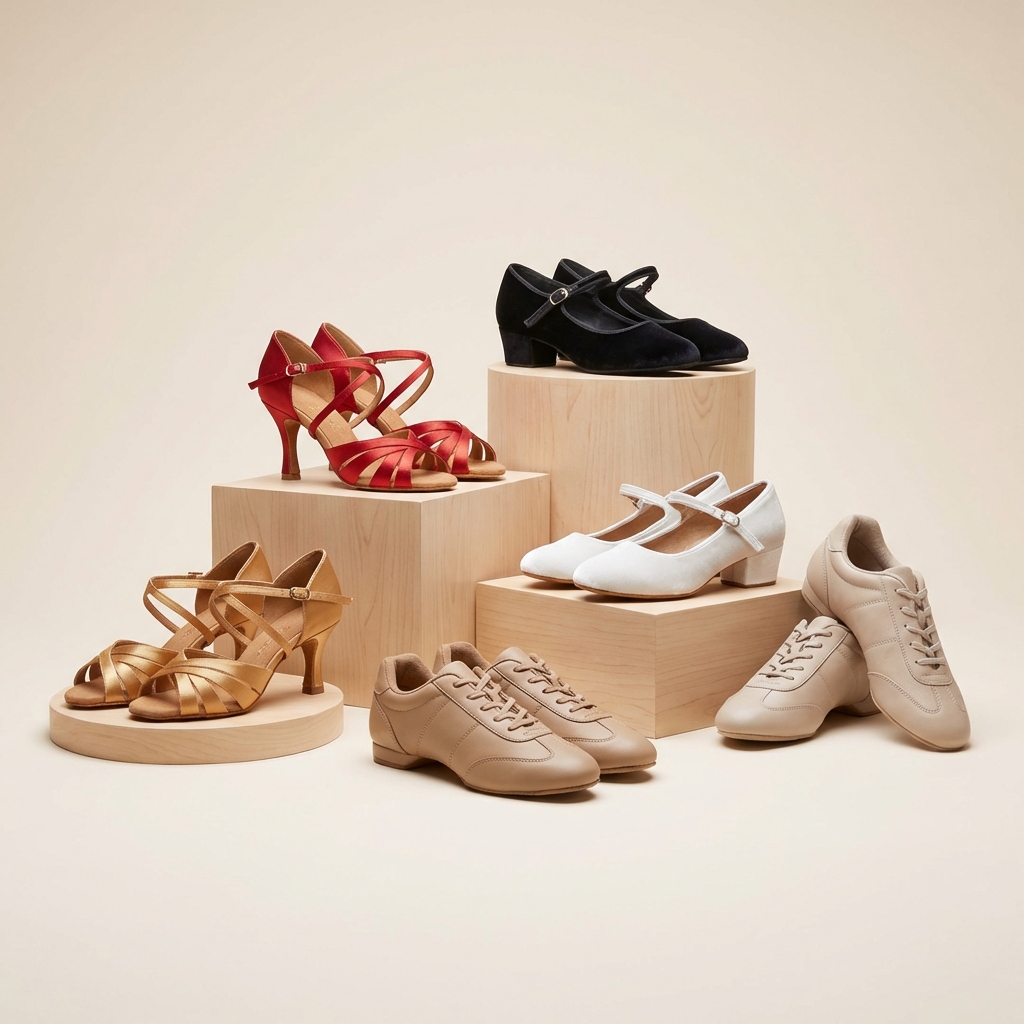
Latin heels (women): 2-3 inch heel, open toe, strappy design. The higher heel shifts your weight forward, which is essential for Latin technique. Start with a 2-inch heel and work up if comfortable.
Ballroom shoes (women): Lower heel (1.5-2 inches), closed toe, more coverage. Designed for smooth dances where you need heel leads and a connected frame.
Latin/ballroom shoes (men): 1-1.5 inch Cuban heel, suede sole, split or full sole. The slight heel improves posture and weight placement without being noticeable.
Practice sneakers: Split sole, suede bottom, sneaker-like comfort. Perfect for beginners who aren't ready for heels. Great for group classes and social dancing.
What to spend
Your first pair of dance shoes doesn't need to be expensive. Budget $60-$100 for a good beginner pair. At this level, you're getting suede soles, proper flexibility, and decent construction. As you advance and know exactly what you need, you can invest in higher-end shoes ($150-$300) that are customized to your foot and style.
Taking care of your dance shoes
- Never wear them outside. Suede soles pick up dirt and moisture that ruins their performance and can damage studio floors.
- Brush the soles regularly. A wire suede brush removes buildup and restores grip. Do this before each session.
- Store in a shoe bag. Protect the soles from accidental damage in your dance bag.
- Rotate if possible. Having two pairs extends the life of both and lets suede dry between sessions.
Need personalised shoe advice? Alina is happy to help you choose the right pair for your dance style and level. Classes available in English, French, and Russian. For the rest of your outfit, see what to wear to a dance class.
Come as you are
Come as you are, wear what you have and we'll guide you from there.
Alina Litvak, Founder of Quartier Latin Dance Studio
Two-time Canadian Vice-Champion • 19 Years Teaching Experience