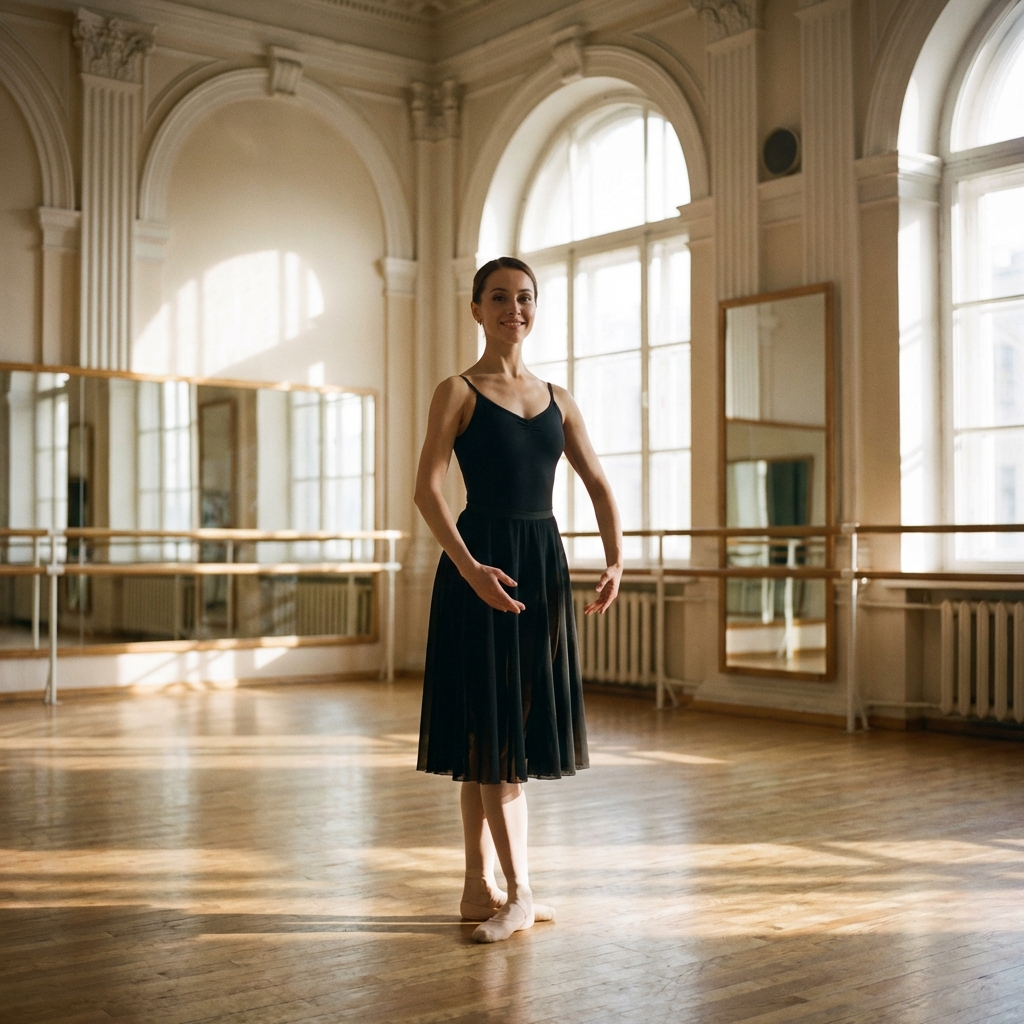
Building Confidence Through Dance: What Really Happens
How dance transforms not just your movement, but how you carry yourself in everyday life.
⚡ Quick Answer
Does dance really build confidence? Yes—and it's not just about dancing. Learning something challenging, experiencing visible improvement, and receiving positive feedback create real, lasting self-assurance that extends far beyond the studio.
When people tell me they want to learn to dance, they usually mention one of two goals: preparing for a wedding, or wanting to "have fun." But within a few weeks, almost everyone discovers something unexpected—they're becoming more confident. Not just on the dance floor, but in meetings, at parties, and in everyday conversations.
This isn't a marketing claim. After 19 years of teaching in Montreal, I've watched it happen hundreds of times. Here's the science and the experience behind why dance is one of the most effective confidence-building activities available to adults.
The Five Confidence Pathways
Dance doesn't build confidence through one mechanism—it works through five interconnected pathways that reinforce each other:
1. The Mastery Effect
When you learn something genuinely difficult and watch yourself improve, your brain updates its model of what you're capable of. Each new step you master, each pattern that "clicks," sends a signal: I can learn hard things. This is arguably the most powerful confidence builder there is, and it's why dance is more effective than activities that feel easy from day one.
2. Body Awareness and Control
Most adults are surprisingly disconnected from their own bodies. We sit at desks, hunch over phones, and move through the day on autopilot. Dance reverses this. You learn to feel precisely where your weight is, how your arms are positioned, and how your body moves through space. This awareness is transformative—when you feel in control of your body, you feel in control of your presence.
3. Posture Transformation
This is the most visible change, and it happens fast. Within the first few lessons, dance literally changes how you stand, walk, and sit. Your shoulders drop back, your spine lengthens, your chin comes up. People notice—even before you tell them you've started dancing. Better posture doesn't just make you look more confident; research shows it actually makes you feel more confident through a feedback loop between body position and emotional state.
4. Positive Social Feedback
When you learn to dance, people respond to you differently. Partners compliment your progress. Friends notice you move differently at events. Strangers ask if you're a dancer. This steady stream of genuine, unsolicited positive feedback builds a foundation of social confidence that's very different from empty affirmations or self-help slogans.
5. Social Courage
Partner dancing requires you to do something many adults find terrifying: approach a stranger and ask them to share three minutes of physical connection. Once this becomes routine—which it does, surprisingly quickly—other social situations start to feel much less intimidating. Asking someone to dance is harder than introducing yourself at a networking event. If you can do one, the other feels easy.
Beyond the Dance Floor
The confidence effects of dance consistently spill over into daily life. Students regularly report:
- Speaking up more at work. The experience of performing in front of others in class translates directly to speaking in meetings.
- Better first impressions. Improved posture and body awareness make people appear more composed and present.
- Greater comfort in social settings. When you know you can walk onto a dance floor and hold your own, walking into a crowded party feels manageable.
- Healthier relationship with imperfection. Dance teaches you that mistakes are part of the process, not evidence of failure. This mindset shift is genuinely life-changing.
Starting From Shy
If you're reading this and thinking "that's great, but I'm too nervous to even start"—you're exactly who I'm writing this for. Many of our most confident dancers started extremely shy. The difference is that they showed up anyway. A supportive studio environment where mistakes are expected and welcomed makes the first step possible. That's precisely what we create at Quartier Latin.
You don't need confidence to start dancing. You start dancing to build confidence.
Discover Your Dance Confidence
Start your transformation in a supportive, welcoming Montreal studio.
Begin Your Journey— Alina Litvak, Founder of Quartier Latin Dance Studio
Two-time Canadian Champion • 19 Years Teaching Experience